
Pillows are more than just a comfort accessory—they’re an essential part of ensuring a good night’s sleep. Whether you’re a side sleeper, back sleeper, or stomach sleeper, the right pillow size can make a world of difference to your comfort and sleep quality. With so many options out there, it’s easy to feel overwhelmed when choosing a pillow. Among the most common questions people have is about the standard pillow size.
In this article, we’ll explore everything you need to know about standard pillow size, how to pick the right one for your needs, and how to ensure that your pillow helps you sleep better. From the different sizes available to the factors you need to consider when choosing your pillow, this guide will help you make an informed decision.
Introduction to Pillows
Pillows, or yastık as they are known in Turkish, play a crucial role in our nightly routine, offering the support and comfort needed for truly restful sleep. Bir good pillow isn’t just a luxury—it’s a necessity for maintaining proper alignment and waking up refreshed. With a wide array of standard sizes available, such as the popular 50×70 cm, it’s easy to find a pillow that fits your bed and your personal preferences. The variety doesn’t stop at size; renk options abound, allowing you to choose from a spectrum of colors to perfectly complement your bedroom décor.
When shopping for pillows, you’ll find that many ürünler are designed to meet universal needs, making the standard size a reliable choice for most sleepers. Plus, with the promise of 100 nights of comfort, you can rest assured that your new pillow will deliver the support you need night after night. Fast and reliable kargo ensures that your chosen pillow arrives quickly, so you can start enjoying better sleep without delay. Whether you’re searching for a classic standard pillow or something a bit more unique, there’s a perfect yastık out there for everyone—helping you drift off to sleep with ease and wake up ready to take on the day.
What Is the Standard Pillow Size?
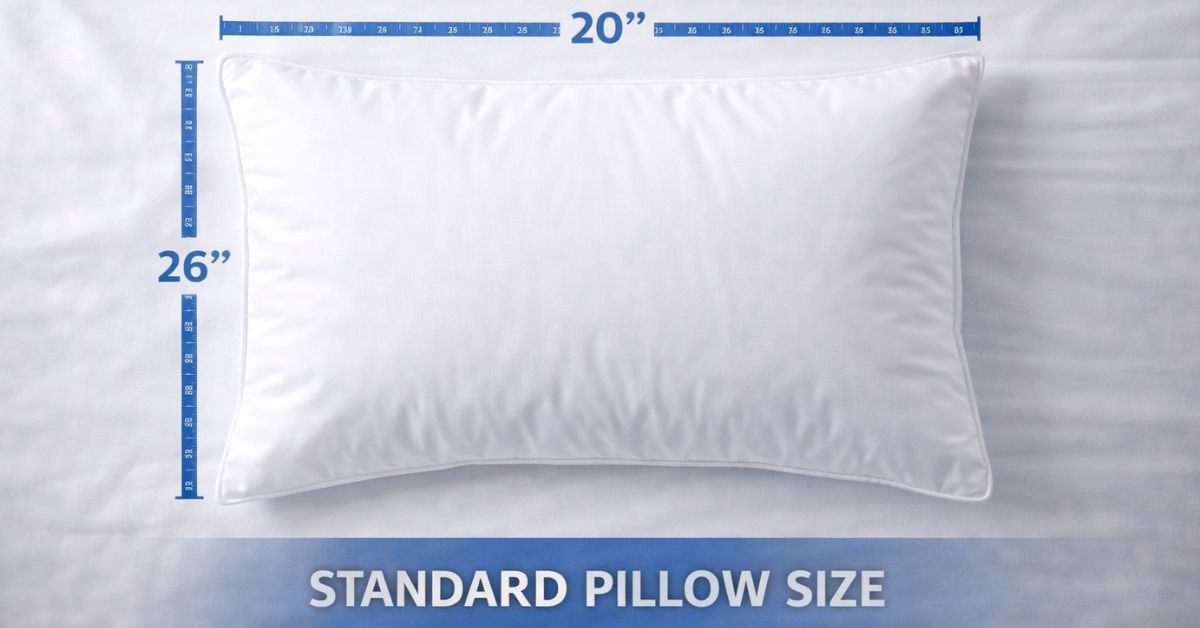
The standard pillow size is one of the most commonly used pillow sizes, typically measuring 20 inches by 26 inches. These are the dimensions of a standard pillow. It’s a size that fits most beds, especially when you’re using them for sleeping. The 20×26 inch measurement is widely accepted as the industry standard olarak. However, choosing a pillow size depends on several factors, including the size of your bed, personal preference, and sleep position. While the standard pillow size works for most people, some might prefer larger or smaller options for added comfort.
How Does Standard Pillow Size Compare to Other Sizes?
When shopping for pillows, you may encounter several different sizes, including a variety of measurements for each pillow size. Here are the measurements for the most common pillow sizes:
- Standard Pillow Size: 20 inches x 26 inches.
- Queen Pillow Size: 20 inches x 30 inches.
- King Pillow Size: 20 inches x 36 inches.
- Euro Pillow Size: 26 inches x 26 inches (typically used for decorative purposes).
Each size offers different benefits, depending on your preferences and needs. For example, queen pillows are slightly longer, offering more support, while king pillows provide ample space for those with a larger bed or those who move around a lot while sleeping.
Why Is Pillow Size Important?
The size of your pillow is vital for several reasons:
- Comfort: The right pillow ensures that your neck and head are adequately supported. This helps prevent neck pain, stiffness, and discomfort. If your pillow is too small, it won’t provide enough support, leading to poor sleep quality. Choosing the right pillow size can also improve the ergonomics of your sleep setup, promoting better body alignment and overall comfort.
- Fit for Bed Size: Your pillow needs to match your bed size. A standard pillow works well for a full-size bed or a twin bed, but larger bed sizes may require queen or king pillows for optimal support and aesthetic appeal.
- Sleep Position: Your sleep position plays a significant role in choosing the right pillow size. Side sleepers, for example, might prefer a firm, thick pillow to ensure their head stays aligned with their spine, while back sleepers may prefer a softer pillow.
Choosing the Right Pillow Size for Your Bed
When selecting a pillow size, you need to take into account your bed size. The compatibility of different pillow sizes with various bed sizes is important to ensure optimal comfort and support. Here are some general recommendations based on bed size:
- Twin Bed: For a twin-size bed, a standard pillow is usually the best choice. It fits perfectly across the width of the bed, offering both comfort and support.
- Full Bed: The standard pillow is also the most popular choice for a full-size bed. It’s versatile and provides adequate support for most individuals.
- Queen Bed: A queen-size pillow is a good option for a queen bed as it provides extra length for those who prefer more space while sleeping. This size is also a great choice for couples.
- King Bed: A king-size pillow is ideal for a king-size bed. The extra length ensures that both partners can enjoy equal comfort, and the pillow provides ample support.
Sleep Position and Pillow Size
Your sleep position can help determine the best pillow size for your needs. Here’s how the different sleep positions may impact your pillow choice:
- Side Sleepers: Side sleepers typically need a pillow that offers firm support. A thicker pillow that fills the gap between your head and the mattress is ideal. Choosing the right pillow size helps maintain proper alignment of the head, neck, and spine, which is crucial for side sleepers. While the standard pillow size might work, you may also prefer a queen or king pillow for added support and comfort.
- Back Sleepers: For back sleepers, a medium-thick pillow works best. It supports the head while maintaining the natural curvature and alignment of the neck and spine. The standard pillow size often suffices for back sleepers, but a queen pillow may provide more support for the neck and head.
- Stomach Sleepers: Stomach sleepers need a thinner pillow to avoid straining the neck. A standard pillow size can work well for stomach sleepers, as it’s not too high, allowing for a more neutral spine position.
Pillow Fill Types and Their Impact on Comfort
Pillow fill plays an important role in how comfortable your pillow feels and how well it supports your head and neck. Different types of fills can affect the feel, firmness, support level, and durability of your pillow. Some common pillow fills include:
- Memory Foam: Known for contouring to the shape of your head and neck, memory foam pillows offer personalized support. This fill is great for those with neck pain or those who need extra support, and typically provides a higher support level.
- Down: Soft and fluffy, down pillows are a luxurious option. They provide a soft feel but may not be firm enough for those who need a lot of support, offering a lower support level compared to other fills.
- Latex: Latex pillows offer a good balance of comfort and support. They are naturally hypoallergenic and resistant to dust mites, and generally provide a medium to high support level.
- Feather: Feather pillows are similar to down pillows, but they offer more support. These pillows are adjustable, as you can add or remove feathers to achieve the desired firmness and support level.
Choosing a pillow from bir manufacturer known for quality materials can make a significant difference in comfort and durability.
Each type of fill provides a different feel and support level, so it’s essential to consider your personal preferences when choosing your pillow.
Pillow Materials and Covers: What to Look For
When searching for the perfect pillow, the materials and covers you choose can make a significant difference in your sleep quality and overall comfort. One of the most popular options is a pillow made with %100 pamuk (100% cotton), like the %100 Pamuk Ranforce Basic Yastık Kılıfı 2’li Sisli Yeşil (50×70 cm). Cotton is highly valued for its breathability and softness, helping to keep you cool and comfortable throughout the night. When choosing a cotton pillow cover, consider the thread count, as a higher thread count often means a softer and more durable fabric. Choosing a pillow with natural materials can also be beneficial for those with sensitive skin or allergies, making your sleep environment healthier.
The size of your pillow is just as important as the material. While the standard size of 50×70 cm is widely used and fits most beds, there are various sizes available to suit different preferences and needs. Selecting the right size ensures your pillow provides the right level of support and fits well with your bedding.
Don’t overlook the importance of the yastık (pillow) cover. A high-quality cover not only protects your pillow but also adds to your comfort. The renk (color) of your pillow cover can enhance the look of your bedroom, allowing you to express your personal style. For example, the Sisli Yeşil (Misty Green) color offers a calming and unique touch to your bedding.
When shopping for pillows, it’s wise to consider the range of ürünler (products) available and check the kargo (shipping) options to ensure a smooth purchasing experience. Look for pillows and covers made from %100 natural materials for the best in comfort and durability.
In summary, choosing the right pillow involves more than just picking a standard size. Pay attention to the materials, covers, sizes, and renk to find a pillow that meets your needs and enhances your sleep. With so many options available, you’re sure to find the perfect pillow to suit your style and comfort preferences.
How to Choose the Right Pillow Size for You
Choosing the right pillow size isn’t just about finding one that fits your bed. It’s also about ensuring that it suits your sleep position and comfort preferences. Personal preference plays a significant role in selecting the ideal pillow size, as what feels best can vary from person to person.
Here are some tips to help you make the best decision:
- Consider your bed size: While standard pillows are versatile, you may prefer larger pillows if you have a bigger bed.
- Think about your sleep position: If you sleep on your side, you may need a thicker pillow. If you sleep on your stomach, you might prefer a thinner pillow.
- Test out different fills: If possible, try out different pillow fills to find the one that best suits your comfort level.
Pillow Case Sizes
When choosing a pillow, it’s not just about the pillow itself. Pillow cases also come in different sizes. It’s essential to ensure that the pillow case fits your pillow properly, as this affects both comfort and the pillow’s longevity. Here’s a breakdown of pillow case sizes for each pillow size:
- Standard Pillow Case: 20 inches by 26 inches.
- Queen Pillow Case: 20 inches by 30 inches.
- King Pillow Case: 20 inches by 36 inches.
- Euro Pillow Case: 26 inches by 26 inches.
Remember to check the pillow case size to ensure a snug fit that won’t result in extra fabric bunching up and causing discomfort.
How to Maintain Your Pillow
To ensure that your pillow lasts as long as possible and provides continuous support, it’s essential to maintain it properly. Proper maintenance not only extends the life but also improves the durability of your pillow. Here are a few tips for pillow care:
- Wash Your Pillow Regularly: Most pillows can be washed, but it’s essential to check the care instructions on the label. Memory foam and latex pillows often need spot cleaning or a pillow protector, while down and feather pillows can be washed in the machine.
- Fluff Your Pillow: Fluffing your pillow helps maintain its shape and prevents it from flattening out over time. It’s especially important for down and feather pillows.
- Replace Your Pillow: Pillows don’t last forever. It’s recommended to replace your pillow every 1 to 2 years, depending on its material and how well you maintain it.
- Use Pillow Protectors: To extend the life of your pillow, use a pillow protector. This helps prevent dust, dirt, and moisture from getting inside the pillow, leading to a fresher and cleaner sleeping environment.
What Happens if You Choose the Wrong Pillow Size?
Selecting the wrong pillow size can have a significant impact on your comfort and health. Choosing a pillow that is not in proper proportion to your bed can also affect the overall look and balance of your sleeping space. Here are a few consequences of choosing an ill-fitting pillow:
- Neck and Back Pain: A pillow that is too high or too low can cause strain on your neck, leading to stiffness or pain. The wrong pillow can also cause your spine to be out of alignment, which may lead to back pain.
- Poor Sleep Quality: If your pillow isn’t comfortable, you’re more likely to toss and turn throughout the night, which will interfere with your ability to get deep, restorative sleep.
- Increased Allergies: Pillows that are too small for your bed might cause dust, dirt, and allergens to collect more easily, leading to allergies or other health issues.
When Should You Choose a Standard Pillow?
While the standard pillow size is a great choice for many people, there are certain situations where it works especially well. Consider a standard pillow if:
- You sleep in a twin or full bed.
- You don’t need extra pillow space and prefer a compact, easy-to-maneuver pillow.
- You’re a stomach sleeper who prefers a thinner pillow.
- You’re looking for a budget-friendly pillow option that still provides comfort and support.
The versatility of the standard pillow size makes it suitable for a wide range of sleepers and bedding setups.
Conclusion:
Choosing the right pillow size is essential for ensuring you get the best sleep possible. While the standard pillow size works for many people, it’s important to consider your bed size, sleep position, and comfort preferences when making your selection. Whether you choose a standard, queen, or king pillow, ensure that it provides the support you need to maintain proper alignment and achieve restful sleep.
Ultimately, the key to choosing the right pillow is ensuring it fits both your bed and your sleep style. Experiment with different pillow sizes and fills to find what works best for you, and remember to maintain your pillow properly to enjoy long-lasting comfort. As a final recommendation, always assess your personal needs and preferences before deciding on the ideal pillow size for your best sleep experience.
Frequently Asked Questions (FAQs)
1. What is the difference between a standard and queen pillow?
A queen pillow is slightly longer than a standard pillow, measuring 20 inches by 30 inches compared to the standard size of 20 inches by 26 inches. The queen pillow offers extra length, making it a good option for people with larger beds or those who prefer more head support. There are different options available for pillow sizes, so you can choose the one that best fits your needs.
2. How do I know if a standard pillow is the right size for me?
A standard pillow is ideal for most people with twin or full beds. It’s also a good choice for stomach sleepers who need a thinner pillow. If you’re a side or back sleeper and require more support, consider a queen or king pillow, as these options provide more size and support.
3. Can I use a standard pillow on a king-size bed?
Yes, a standard pillow can be used on a king-size bed, but it may look a bit small compared to the bed size. For a more proportionate fit, king pillows or queen pillows are recommended, especially if you want added comfort.
4. How often should I replace my pillow?
It’s recommended to replace your pillow every 1 to 2 years, especially if you notice it’s lost its shape or no longer provides the support you need. Regular maintenance and using a pillow protector can extend the life of your pillow.
5. Is a standard pillow good for side sleepers?
A standard pillow can work for side sleepers, but it may not provide enough thickness and support for everyone. If you find your neck or spine out of alignment, you may prefer a queen or king pillow for additional support.
