
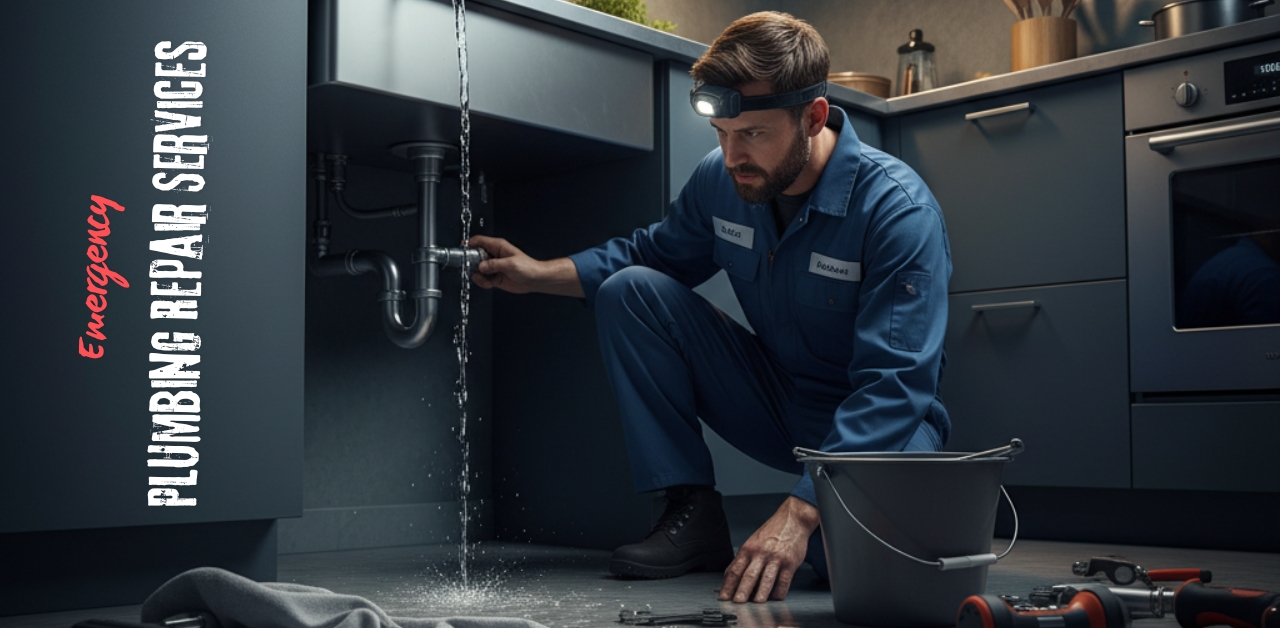
It is 2:00 AM on a Tuesday. You are fast asleep, enjoying a peaceful night, until a strange sound wakes you. It is a hissing noise, followed by the unmistakable sound of splashing water. You walk into the hallway and step into a cold puddle that is rapidly spreading across the floor. Panic sets in. A pipe has burst, and your home is flooding.
Plumbing disasters rarely happen at convenient times. They seem to have a knack for striking during holidays, weekends, or the middle of the night. When water is pouring through your ceiling or sewage is backing up into your bathtub, you do not have the luxury of waiting for standard business hours. You need immediate help.
Understanding how emergency plumbing repair services work is vital for every homeowner and renter. Knowing who to call, what to do while you wait, and how to identify a true emergency can save you thousands of dollars in water damage and restore your peace of mind. This guide covers everything you need to know about handling plumbing crises, from the first moment of panic to the final repair.
Defining a True Plumbing Emergency
Before you make a frantic call, it is helpful to distinguish between a plumbing annoyance and a plumbing emergency. A dripping faucet or a slow-draining shower is frustrating, but these issues can usually wait until morning. Calling an emergency plumber for routine maintenance will result in a hefty bill for after-hours service fees.
However, certain situations demand immediate professional attention. Here is how to identify a crisis that cannot wait.
Risk of Flooding
Any situation where water is flowing uncontrollably into your home is an emergency. A burst pipe, a failed water heater, or a broken supply line can release gallons of water per minute. This water can destroy flooring, soak into drywall, ruin furniture, and compromise the structural integrity of your home. If you cannot stop the flow of water yourself, you need a professional immediately.
Sewer Backups
When sewage comes up through your drains, toilets, or showers, you are dealing with a severe biohazard. Wastewater contains harmful bacteria, viruses, and pathogens that pose a significant health risk to your family. This is not a situation you can plunge your way out of. A backup usually indicates a blockage in the main sewer line, requiring specialized equipment to clear.
Loss of Water Service
If you turn on your tap and nothing comes out, and you have confirmed it isn’t a municipal outage, you have an emergency. Access to clean running water is a necessity for drinking, cooking, and sanitation. This could indicate a frozen pipe that hasn’t burst yet or a major break in your main water line.
Gas Leaks
While often associated with utility companies, plumbers are also the professionals who repair gas lines for stoves, heaters, and water heaters. If you smell gas (often described as rotten eggs), evacuate your home immediately and call your utility provider and an emergency plumber. This is a life-threatening situation.
Steps to Take While Waiting for Help
Once you have determined that you have an emergency and have called a professional, your job isn’t done. The time between your call and the plumber’s arrival is critical for damage control. Taking the right steps can drastically reduce the amount of restoration work you will need later.
Locate and Shut Off the Water
The single most important thing you can do is stop the water supply. If the leak is coming from a specific fixture, like a toilet or sink, look for the isolation valve located directly behind or beneath it. Turn the handle clockwise until it stops.
If the leak is from a burst pipe inside a wall or you cannot find the source, you must shut off the main water valve for the entire house. This is typically located in the basement, a crawl space, or near the street in a utility box. Every member of your household should know where this valve is and how to operate it before an emergency occurs.
Check Your Electrical Safety
Water and electricity are a deadly combination. If the flooding is near electrical outlets, appliances, or your fuse box, do not walk through the water. If it is safe to do so, turn off the electricity to the affected area via the breaker panel. If the panel itself is in a wet area, leave the house and wait for professionals.
Open Drains and Spigots
After you have shut off the main water supply, open your outdoor spigots and run the cold water in your lowest faucets (like a basement sink). This helps drain the remaining water from the pipes and relieves pressure, which can prevent further bursting or leaking.
mitigate Water Damage
If the leak is contained, start cleaning up immediately. Use buckets to catch dripping water and lay down old towels to soak up puddles. If furniture is in the path of the water, move it to a dry room or prop it up on blocks. The longer water sits on your floors or against drywall, the deeper it penetrates, leading to mold growth and rot.
Common Emergencies and How They Are Fixed
Understanding what is happening behind your walls can help you communicate better with your plumber. Here are a few of the most common reasons for emergency calls and what the repair typically involves.
The Burst Pipe
Pipes usually burst due to freezing temperatures or age-related corrosion. When water freezes inside a pipe, it expands, creating immense pressure that eventually splits the metal or plastic.
- The Fix: The plumber will cut out the damaged section of the pipe and replace it with new copper or PEX piping. If the burst happened inside a wall, they may need to cut into the drywall to access it.
The Failed Sump Pump
For homes with basements, a sump pump is the first line of defense against flooding during heavy rains. If the pump fails or the power goes out during a storm, the basement can fill with water rapidly.
- The Fix: An emergency plumber can replace a burnt-out pump or repair a stuck float switch. Many homeowners also opt to install a battery backup system during this repair to prevent future failures during power outages.
The Clogged Main Line
Routine clogs affect one drain; main line clogs affect them all. Signs include gurgling sounds in the toilet when you run the shower or water backing up into the bathtub when you run the washing machine.
- The Fix: Professionals use heavy-duty augers (snakes) or hydro-jetting equipment. Hydro-jetting uses high-pressure water streams to scour the inside of the sewer pipe, removing tree roots, grease, and other stubborn obstructions.
The Leaking Water Heater
Water heaters have a limited lifespan, typically 8 to 12 years. As they age, the inner tank can rust, leading to leaks. A catastrophic failure can dump the entire contents of the tank (40 to 50 gallons) onto your floor.
- The Fix: Unfortunately, a leaking tank usually cannot be repaired. The plumber will need to drain the old unit, disconnect it, and install a brand-new water heater.
The Risks of DIY Emergency Repairs
In the age of online tutorials, it is tempting to try and fix the problem yourself to save money. While DIY is fine for changing a showerhead, it is risky for emergencies.
Temporary fixes, such as using duct tape or pipe clamps on a high-pressure leak, often fail, leading to a second wave of water damage that is worse than the first. Furthermore, plumbing systems are complex. Misdiagnosing a sewer blockage and using chemical drain cleaners can corrode old pipes, turning a $300 cleaning job into a $5,000 pipe replacement job.
There is also the matter of insurance. Many homeowner insurance policies require that licensed professionals perform significant repairs. If you attempt a DIY fix on a major plumbing issue and it fails, your insurance company may deny your claim for the resulting water damage.
Choosing the Right Emergency Plumbing Repair Services Provider
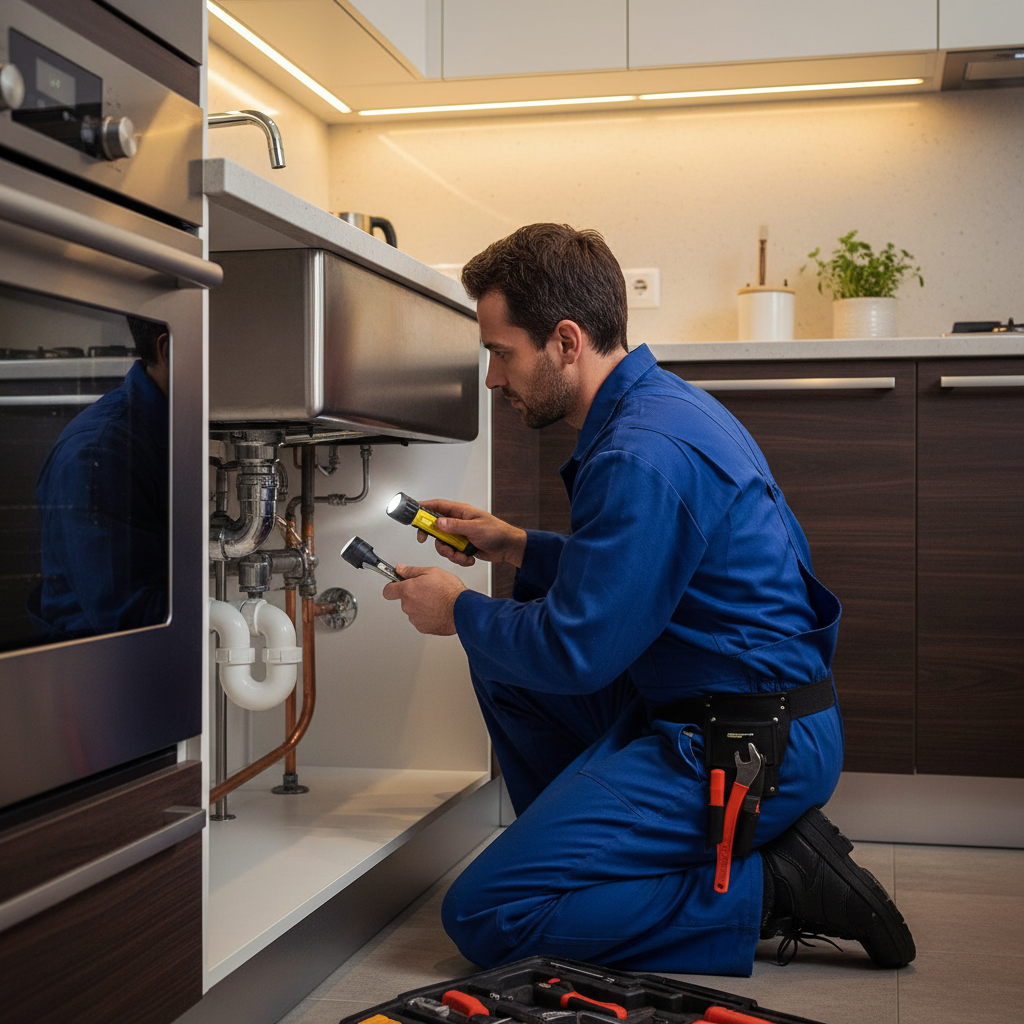
The worst time to look for a plumber is when water is already rising in your living room. In that moment of panic, you are likely to pick the first number you see, which leaves you vulnerable to price gouging or subpar work.
Being proactive is key. Here is what to look for when vetting an emergency plumbing service before you need one:
Verify Availability and Response Time
When you call, ask directly: “Do you have a technician available to come out right now?” reputable emergency plumbing services will give you an estimated time of arrival. Be wary of companies that cannot give you a window or say they will call you back later.
Check Licensing and Insurance
Never hire a plumber who cannot provide proof of licensing and insurance. In an emergency, you might be tempted to hire a general handyman because they are cheaper or available sooner. However, plumbing requires specific expertise. If an unlicensed worker causes more damage to your home, you will have little recourse.
Understand the Pricing Structure
Emergency plumbing is a premium service. You are asking a skilled professional to leave their home in the middle of the night or on a holiday to work in a wet, often dirty environment. Expect to pay a “dispatch fee” or an “emergency trip charge” on top of the hourly labor rate and the cost of parts. Ask for a breakdown of these fees over the phone so there are no surprises when the bill arrives.
Preventing Future Plumbing Disasters
The best way to handle an emergency is to prevent it from happening in the first place. While you cannot predict every mechanical failure, regular maintenance can drastically reduce your risk.
Insulate Your Pipes: If you live in a region with cold winters, ensure pipes in unheated areas (like attics, basements, and garages) are insulated with foam sleeves.
Know Your System: Label your main water shut-off valve clearly so anyone in the house can find it. Test it once a year to make sure it is not stuck.
Schedule Annual Inspections: Have a plumber inspect your water heater, sump pump, and drains once a year. They can spot signs of corrosion or wear that you might miss.
Be Careful What You Flush: Only toilet paper and human waste should go down the toilet. “Flushable” wipes, paper towels, and hygiene products are the leading causes of sewer backups.
Frequently Asked Questions
How much does an emergency plumber cost?
Costs vary significantly by region and the severity of the issue. Generally, you can expect to pay a trip fee ranging from $100 to $300 just to get the plumber to your door. Labor rates for emergency hours often run between $150 and $250 per hour. This is higher than standard rates, but you are paying for the immediacy and availability.
Will homeowners insurance cover plumbing emergencies?
Standard policies typically cover the water damage resulting from a sudden and accidental discharge (like a burst pipe). This means they will pay to replace the drywall and flooring. However, they usually do not pay for the plumbing repair itself (repairing the broken pipe or buying a new water heater). Always check your specific policy details.
Can I wait until morning to call a plumber?
If you can isolate the leak by turning off a valve under a sink or toilet, and the water stops completely, you can likely wait until normal business hours to save on emergency fees. However, if you have to turn off the water to the entire house, or if sewage is involved, it is usually worth the cost to get it fixed immediately for sanitation and livability.
What if the pipe bursts inside a concrete slab?
This is known as a “slab leak.” You might notice a warm spot on the floor, the sound of running water when taps are off, or a sky-high water bill. While this is an urgent issue, it often requires specialized leak detection equipment. Call a professional immediately, but understand that the repair might involve jackhammering the floor or rerouting pipes, which may be scheduled for daylight hours depending on the company’s capabilities.
Protecting Your Home from Water Damage
Water is a powerful force. It can nourish life, but in the context of your home’s infrastructure, it can be incredibly destructive. A plumbing emergency is a stressful event that disrupts your life and threatens your property. However, by staying calm, acting quickly to shut off the water, and calling a trusted emergency plumbing repair service, you can manage the crisis effectively.
Do not wait for disaster to strike before you look for a plumber. Research local companies now, read reviews, and save the number of a reliable 24/7 service in your phone. When the unexpected happens at 2:00 AM, you will be ready to handle it with confidence.