
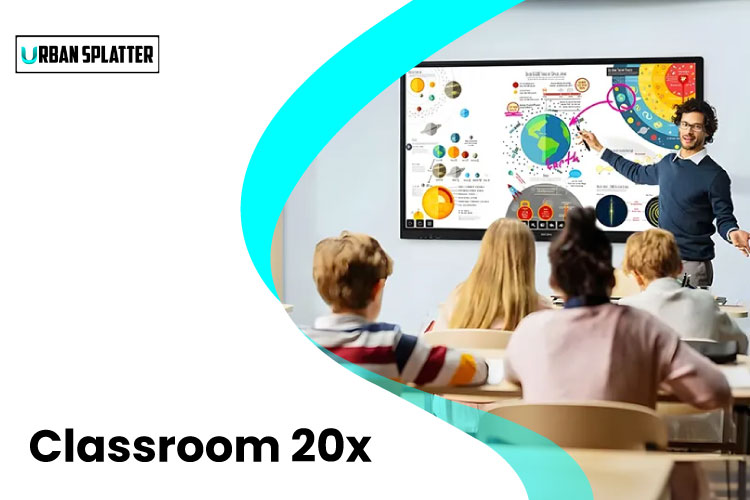
Students learn better when their learning space feels clear, calm, and supportive. This is the idea behind the parent keyword classroom 20x.
The phrase appears on several education blogs, where it is described as a new and modern classroom style for students who want simple tools and smooth access to Learning.
While classroom 20x is a concept and not an official program, it reflects many ideas that education experts support today. Here is why this concept matters for students and teachers.
A Fresh Way to Support Learning
Classroom 20x represents a space where students can learn through structure, calm design, and access to digital tools. Modern classrooms often include laptops, tablets, and interactive activities.
Research supports this approach, and ideas from modern digital learning models like the Classroom 15x platform show how simple digital tools can strengthen student focus.
The U.S. Department of Education states that students learn better when they can interact with digital resources that support practice and reflection.
This gives students more ways to understand lessons. The model behind classroom 20x matches this research. It highlights simple tools, short lessons, and steady guidance.
Students gain confidence when lessons feel clear and predictable. Teachers can focus on guiding the class instead of managing complicated systems.
Here is why these ideas matter for modern students.
Why Students Need Clear Learning Spaces
The National Center for Education Statistics reports that many students face distraction in crowded or unstructured environments.
When learning spaces become simpler and more organized, students show better focus. This matches the goals of classroom 20x.
A modern learning space should:
- Remove clutter
- Support clear movement
- Offer calm colors
- Include digital tools where needed
- Give students direct access to resources
Classroom 20x follows these ideas. It encourages teachers to create spaces that support thinking rather than overwhelm students.
How Classroom 20x Works for Students?
The concept of classroom 20x focuses on short learning steps. Students complete activities in small pieces instead of long blocks.
This helps them process information more clearly, and ideas from student-focused digital study models support this style of Learning.
The Centers for Disease Control and Prevention supports this idea. It reports that short learning sections help students maintain attention and reduce stress.
Here is how classroom 20x applies this idea:
Short Tasks
Students complete one clear task at a time. This keeps learning simple and improves understanding.
Digital Tools
Classrooms may include online activities, practice tools, and simple learning apps. These tools help students learn at their own pace.
Teacher Guidance
Teachers can walk around the classroom and support students one by one. This helps students feel safe and willing to ask questions.
Smooth Transitions
Activities follow a clear order. Students always know what to do next.
Why Teachers Appreciate Classroom 20x
Teachers need learning models that support steady progress. Classroom 20x focuses on structure and clarity. Teachers can plan lessons that follow a stable path from start to finish.
The U.S. Department of Education highlights that predictable routines help students learn new material faster. Classroom 20x supports this by encouraging teachers to follow routines that students can trust.
Teachers also value that classroom 20x can include both digital and offline tasks. This gives teachers more flexibility.
Here is how teachers use the classroom 20x model.
Simple Layout
Desks, boards, and materials follow a clear pattern. Teachers save time because they do not need to rearrange the class often.
Digital Lessons
Teachers can run short digital lessons on laptops or projectors. Students respond quickly and stay active in Learning.
Group and Solo Learning
Classroom 20x supports group tasks and individual work. Students can move between the two easily.
Steady Monitoring
Teachers can track student responses through digital tools or simple paper checks. This helps them adjust lessons in real time.
How Classroom 20x Improves Learning
Classroom 20x focuses on steady progress. Students learn through repeated practice and clear examples. Research from the American Psychological Association supports this approach.
It states that students learn better when information is broken into smaller pieces and practiced often.
Here is how classroom 20x follows this research.
Real World Tasks
Students practice lessons that connect with daily life, such as reading charts, measuring items, or writing simple plans.
Supportive Materials
Students receive guided notes, examples, and small practice sheets. This helps them understand lessons without confusion.
Calm Environment
Classroom 20x promotes quiet corners, organized shelves, and clear signs. A calm environment reduces stress and improves focus.
Self-Paced Practice
Students can practice lessons until they feel ready to move on. This reduces pressure and increases confidence.
How Schools Can Use Classroom 20x
Schools can adopt the classroom 20x as a model for organizing modern learning spaces. The concept fits well with research from the U.S. Department of Education on effective learning environments.
Schools can begin by:
- Reviewing classroom layouts
- Updating storage spaces
- Adding simple digital tools
- Creating clear lesson routines
- Training teachers to use short learning cycles
The goal is not to build a new system but to adopt habits that improve student focus and comfort.
Next Steps for Teachers, Students, and Schools
Teachers can start with one section of the classroom, such as organizing materials or setting a lesson routine. Students can help by keeping their desks organized and following clear task steps. Schools can support by offering simple tools, such as shared laptops or guided worksheets.
When these steps work together, the classroom 20x model becomes easier to use. Students enjoy learning more. Teachers save time. Schools see better engagement.
Conclusion
Classroom 20x gives students a calm and structured learning space. The model supports clear lessons, organized materials, and steady routines.
Students learn better when Learning feels simple and predictable. Teachers benefit from a smooth flow of lessons and easier classroom management.
Schools can apply this model without major changes, making it a practical guide for modern classrooms.
The concept encourages clear thinking, stronger focus, and better long-term Learning for students.
