As the workplace continues to evolve, so too do the expectations of employees. One key expectation centres around reliable and consistent access to healthcare. For many, a job isn’t only about salary or title the benefits attached can be just as significant. Among these, health benefits state continuation during periods of transition is becoming a non-negotiable for employees and an increasingly strategic area of focus for businesses.
With job mobility, contract work, and organisational changes now standard features in today’s employment landscape, businesses that fail to account for health benefit continuity risk more than just administrative headaches. They also face potential legal issues, reduced employee morale, and the possibility of reputational harm.
The Modern Workforce Landscape: Why Employee Benefits Matter More Than Ever
Today’s professionals are far more aware of the value of their benefits package than in previous decades. Health coverage, in particular, remains one of the most sought-after aspects of employment. In an age where public health services face mounting pressure, having access to private or employer-supported health benefits offers employees peace of mind and, in many cases, necessary protection for themselves and their families.
This awareness has made employee benefits a strong differentiator in recruitment and retention. Employers who offer consistent, well-managed benefits stand out, while those who fall short may find themselves struggling to hold onto talent. As flexible work arrangements and contract roles become more common, the need for benefits that stay in place during employment gaps has grown substantially.
Bridging the Gap During Employment Changes: The Role of State Continuation Coverage
For businesses, handling changes in employment status whether due to layoffs, resignations, parental leave, or medical absence presents a practical and legal challenge. Continuation coverage steps in as a solution that helps employees maintain access to their healthcare benefits while transitioning between roles or during periods of unemployment.
This form of benefits continuity not only meets employee expectations but can also play a role in helping them return to work quicker and with less financial strain. Knowing that healthcare needs remain supported allows individuals to focus on finding the right next step in their career rather than rushing back to the first available job purely for insurance access.
Moreover, offering continuation options reflects positively on a company’s culture. It shows a commitment to the wellbeing of employees, even beyond their active time with the business.
Simplifying the Admin Process: Reducing Pressure on Internal Teams
For many organisations, managing continuation benefits internally can become a drain on time and resources. The administrative requirements from tracking eligibility and deadlines to managing payments and communicating with former employees can be complex, especially for companies without a dedicated HR function.
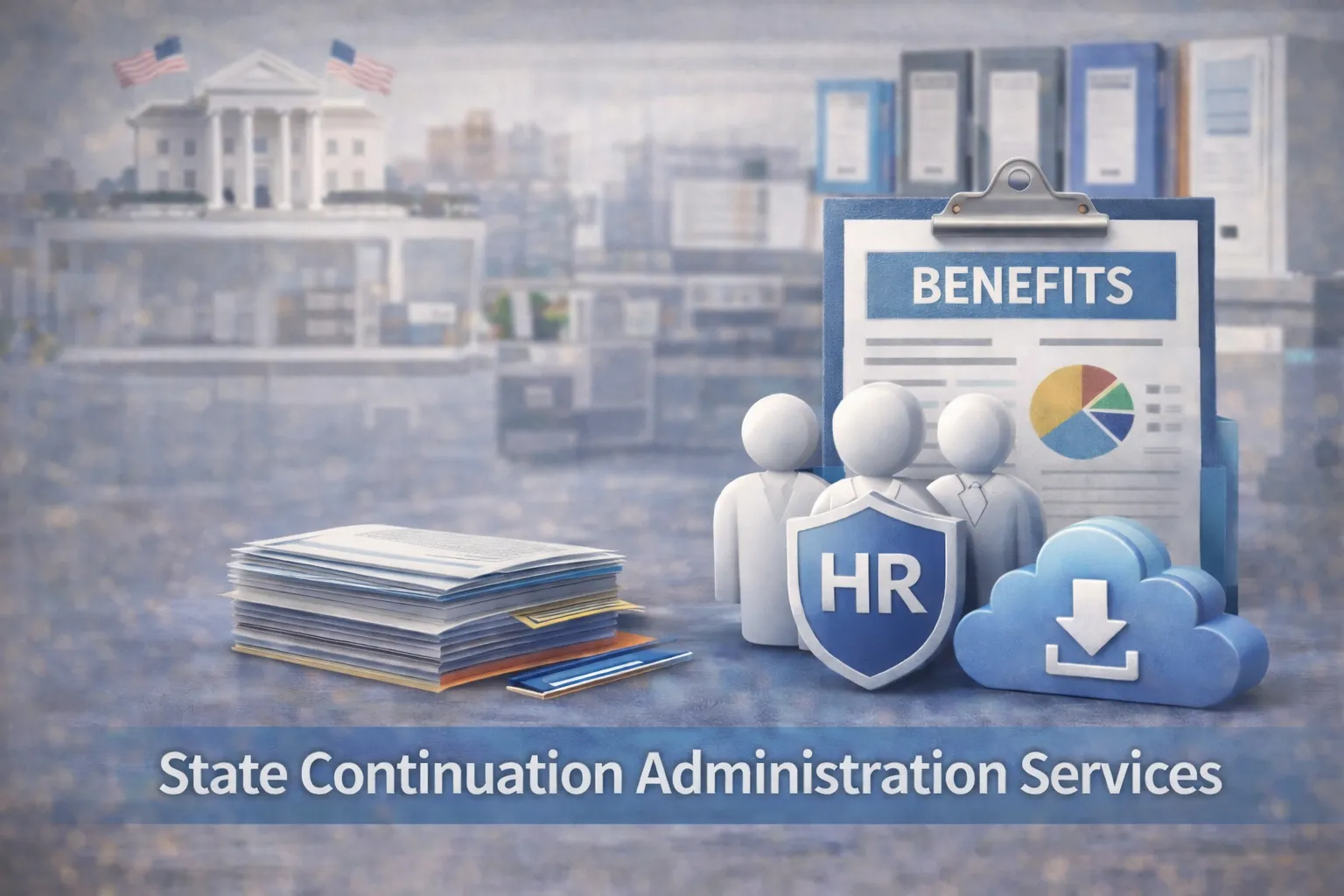
Partnering with professionals who offer state continue administration services can ease this burden. This approach helps reduce errors, ensures regulatory compliance, and allows internal teams to focus on more strategic tasks. Rather than trying to manage a piecemeal process across multiple departments, external support introduces a clear, structured system for handling all aspects of benefits continuation.
What’s more, this kind of support can scale with the business, making it a reliable solution for organisations of all sizes, from SMEs to larger employers operating across multiple sites.
Health benefits state continuation is more than a safety net it’s a strategic tool for modern businesses. By maintaining healthcare access during employment changes, companies send a strong message of respect and responsibility. They also reduce internal stress and improve compliance by adopting processes that simplify ongoing administration.
In a competitive employment market, offering structured and reliable benefits state continuation doesn’t just meet expectations it helps build a stable, motivated, and loyal workforce. Employers who approach this area with care and professionalism will be better positioned to adapt to change and support their people through every stage of employment.
